Why New Construction Insulation Decisions Matter
Building a new home in Altoona or Lake Hallie is an exciting milestone, but it also represents a critical moment for long-term energy efficiency and comfort. The insulation choices you make during construction will affect your home's performance, utility bills, and indoor air quality for decades to come. Unlike retrofit projects where contractors must work around existing structures, new builds offer a blank canvas to install the best insulation solution from the ground up.
Many homeowners focus on visible features like flooring, fixtures, and paint colors, but insulation is the silent foundation of a comfortable, efficient home. Poor insulation choices made during construction can lead to drafty rooms, high heating and cooling costs, and moisture problems that become expensive to fix later. The good news is that by planning ahead and choosing the right insulation material, you can avoid these headaches entirely and enjoy a home that stays comfortable year-round while keeping energy bills manageable.
Spray Foam vs. Traditional Insulation in New Builds
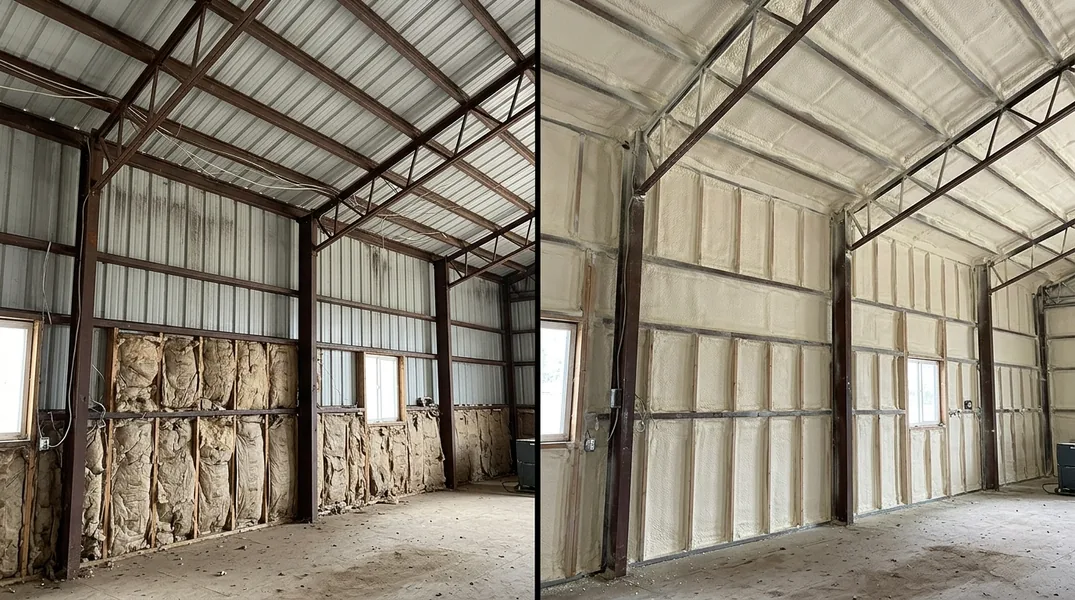
Attic Spray Foam Insulation has become the preferred choice for new construction in the Eau Claire region because it outperforms traditional materials like fiberglass batts, blown cellulose, and mineral wool in nearly every measurable way. Spray foam expands to fill every gap, crack, and void in your attic, creating an airtight seal that traditional materials simply cannot achieve. This superior air sealing means your HVAC system doesn't have to work as hard to maintain consistent temperatures throughout your home, which translates directly to lower energy costs.
Traditional insulation materials leave gaps and thermal bridges where heat escapes in winter and warm air infiltrates in summer. Over time, these small gaps add up to significant energy loss. Spray foam also provides superior moisture control, which is especially important in Wisconsin's climate where temperature swings and humidity can cause condensation problems. Additionally, spray foam doesn't settle or compress over time like fiberglass batts do, so your R-value stays consistent for the life of your home. For new construction, this means you get the full benefit of your insulation investment from day one, with no performance degradation down the road.
Closed Cell vs. Open Cell: Choosing the Right Foam Type
When planning insulation for your new build, understanding the difference between Closed Cell Spray Foam Insulation and Open Cell Spray Foam Insulation is essential. Closed cell foam is denser and more rigid, offering a higher R-value per inch and providing excellent moisture resistance. This makes it ideal for attics, crawl spaces, and any area where moisture control is a priority. The structural rigidity of closed cell foam also adds a degree of bracing to your home's frame. However, closed cell foam typically costs more, which is an important consideration when budgeting your new construction project.
Open cell foam is lighter, more flexible, and more affordable, making it a smart choice for interior walls, cathedral ceilings, and other applications where maximum R-value per dollar is the priority. Open cell foam still provides outstanding air sealing and insulation performance, but it is more permeable to moisture, which means it requires proper vapor barrier management. For new builds in Lake Hallie and Altoona, the choice between closed and open cell often depends on the specific application, your climate concerns, and your budget. A professional consultation can help you determine the best combination of foam types for your particular project.
Planning Your New Build Insulation Strategy Early
The best time to plan your insulation strategy is during the design and pre-construction phase, not after the walls are already framed. By coordinating with your builder and insulation contractor early, you can ensure that spray foam installation is scheduled at the optimal time in the construction sequence. This typically happens after the roof is on and the exterior walls are closed, but before drywall installation. Planning ahead also allows you to discuss your energy efficiency goals, budget constraints, and any specific concerns like soundproofing or thermal performance in problem areas like cathedral ceilings or rim joists.
New construction also presents the opportunity to incorporate Wall & Injection Foam Insulation in exterior walls, band joists, and other cavities where traditional insulation would be difficult to install properly. Spray foam in these locations eliminates thermal bridging and air leakage that can significantly impact your home's overall energy performance. When you plan early and communicate clearly with your builder and insulation contractor, you avoid costly delays and ensure that your new home is built right the first time, with no regrets about insulation performance years down the road.
Insulation Removal Cost and Future Considerations
While new construction gives you the advantage of starting fresh, it's worth understanding what happens if you ever need to address insulation issues down the road. Should you ever need attic insulation removal or old insulation removal for any reason, the insulation removal cost depends on the material, the amount of insulation, and the complexity of the job. However, by choosing high-quality spray foam during new construction, you significantly reduce the likelihood of ever needing removal or replacement. Spray foam doesn't degrade, doesn't attract pests the way fiberglass can, and doesn't settle or lose effectiveness over time. This means your investment in quality insulation during construction pays dividends for decades.
Some older homes in the region contain vermiculite insulation, which may pose health concerns and requires professional removal. By building your new home with modern spray foam insulation, you avoid these legacy problems entirely. Your new construction home will be built to current standards with materials that are safe, effective, and proven to perform reliably throughout the life of your home. This long-term reliability is one of the most compelling reasons to invest in spray foam insulation during the building process.
Getting Started: Contact Your Local Spray Foam Experts
If you are planning a new build in Eau Claire, Altoona, or Lake Hallie, now is the time to connect with insulation professionals who understand your local climate and building requirements. Eau Claire Spray Foam Insulation has extensive experience helping new construction projects achieve exceptional energy efficiency and comfort through strategic foam insulation planning and installation. Our team can review your building plans, discuss your energy goals, and recommend the best insulation strategy for your specific project and budget.
Don't leave your new home's comfort and efficiency to chance. Contact Eau Claire Spray Foam Insulation today at (534) 444-6239 or visit our website to request a free estimate for your new construction project. We'll work with you and your builder to ensure that your new home is insulated right from the start, delivering years of energy savings, comfort, and peace of mind.
Looking for a professional spray foam insulation contractor in Eau Claire? Eau Claire Spray Foam Insulation responds fast for all your spray foam insulation needs.
Get a Free Quote