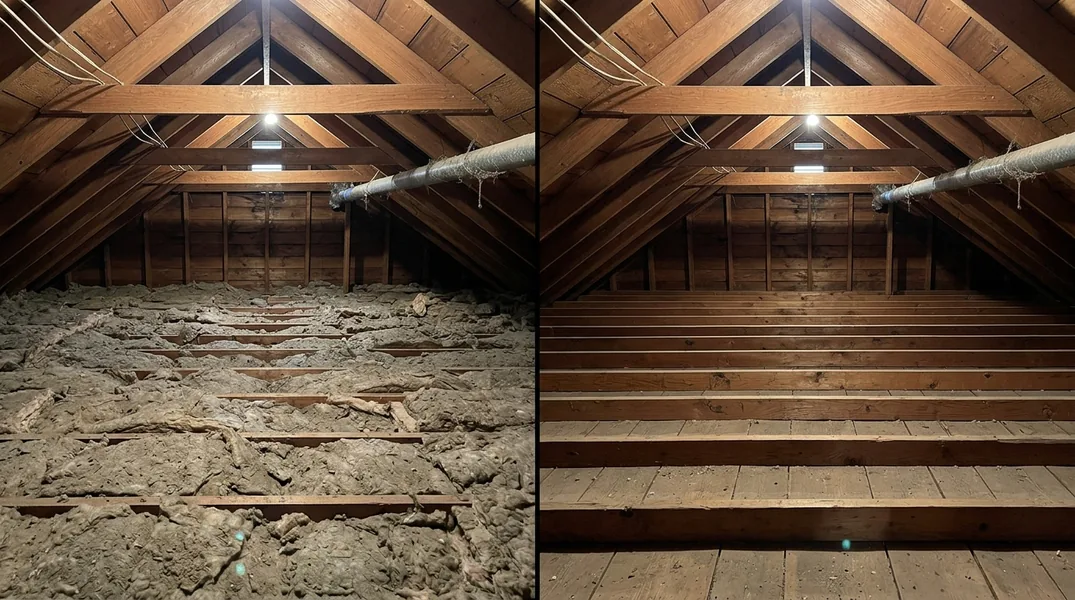
Why Third Ward Bungalows Need Better Insulation
The charming bungalows that define Eau Claire's Third Ward are architectural treasures, but many were built in an era when insulation standards were far different from today. These homes, often constructed in the early 1900s, typically feature thin wall cavities, minimal attic insulation, and air leakage points that modern building codes would never permit. Over a century later, homeowners in these historic neighborhoods face a real challenge: how do you upgrade insulation without compromising the character and integrity of the original structure?
The problem isn't just about comfort, though that matters. Inadequate insulation in older homes drives up heating and cooling costs significantly. In Eau Claire's cold winters, uninsulated or poorly insulated walls and attics mean your furnace works overtime, and your energy bills reflect that strain. Beyond energy loss, poor insulation can lead to moisture problems, ice damming in winter, and uneven temperatures throughout the home. This is where modern solutions like Attic Spray Foam Insulation offer a practical answer for homeowners who want to preserve their home's character while gaining the thermal performance of a contemporary property.
Is Spray Foam Insulation Worth It for Century-Old Homes?
The question homeowners ask most often is straightforward: is spray foam insulation worth it? For Third Ward bungalows and similar older homes, the answer is usually yes, but it depends on your priorities and current condition. Spray foam delivers several advantages that traditional fiberglass batts simply cannot match. It fills irregular cavities completely, seals air leaks at the source, and provides a higher R-value per inch than conventional insulation. For homes with odd wall dimensions, settling, or existing moisture issues, these qualities make spray foam particularly valuable.
When you invest in Closed Cell Spray Foam Insulation, you're paying more upfront than you would for fiberglass, but the long-term return comes through reduced energy consumption, improved comfort, and better protection against moisture intrusion. Many homeowners in Eau Claire report that their heating bills drop 20 to 30 percent after spray foam installation, especially in attics where heat loss is greatest. Over 15 to 20 years, that savings easily justifies the initial investment. Additionally, spray foam's air-sealing properties mean fewer drafts, more stable indoor temperatures, and reduced strain on your HVAC system, which can extend its lifespan.
Is Spray Foam Insulation Safe? Understanding the Real Risks
Safety concerns about spray foam are legitimate and worth addressing directly. The most common worry centers on off-gassing, chemical exposure during installation, and long-term health effects. It's important to separate fact from exaggeration. When spray foam is installed correctly by trained professionals and allowed to cure fully, it is safe. The chemicals involved (isocyanates and polyols) react during application and solidify into an inert plastic foam. Once cured, the foam itself poses no health risk to occupants. However, during the installation process and for a period afterward, ventilation and proper safety protocols matter enormously.
Professional spray foam contractors use respiratory protection, ensure proper ventilation, and follow EPA guidelines to minimize exposure during application. Homeowners should vacate the property during installation and for the recommended cure period (typically 24 to 48 hours). After that time, once the foam has fully cured, it's no different from any other solid building material in your home. The key is hiring a qualified, licensed contractor who understands these protocols. Eau Claire Spray Foam Insulation prioritizes safety at every stage, from pre-installation briefings to post-cure inspections, ensuring your family's wellbeing throughout the process.
Spray Foam Off Gassing: What Happens After Installation
Spray foam off-gassing is a real phenomenon, but it's often misunderstood. During the first 24 to 72 hours after installation, the foam releases volatile organic compounds (VOCs) as it cures. You may notice a chemical smell in your home during this period. This is normal and expected. The smell fades as the foam fully hardens, and the VOC emissions drop to negligible levels once curing is complete. For homeowners concerned about air quality, ensuring excellent ventilation during and immediately after installation, combined with opening windows for several days afterward, effectively manages any temporary odor or off-gassing concerns.
The spray foam insulation pros and cons debate often centers on this temporary off-gassing period. While it's a legitimate consideration, it's important to keep it in perspective. The temporary inconvenience of a few days' smell is far outweighed by years of improved insulation performance, energy savings, and comfort. Some homeowners choose to schedule installation during warmer months when they can open windows freely, or when they can stay with family for a few days. Others simply manage the smell with ventilation fans and open windows. Once the curing period ends, off-gassing is complete, and you're left with a stable, safe insulation material that will perform for decades.
Spray Foam Insulation Problems: What Can Go Wrong and How to Prevent Them
No insulation material is perfect, and spray foam does have potential problems if not installed or managed correctly. Common issues include improper application leading to incomplete coverage, inadequate ventilation in attics causing moisture problems, and using the wrong foam type for the application. Over-application can also create excessive pressure that damages walls or creates structural stress. However, these problems are almost entirely preventable through proper planning, correct product selection, and professional installation by experienced contractors.
One significant concern specific to attics is the interaction between spray foam and roof ventilation. If closed-cell foam is applied directly to roof decking without leaving a proper ventilation space, it can trap moisture and lead to rot over time. This is why professional installers must understand building science and local building codes. Wall & Injection Foam Insulation presents different considerations than attic applications, and the approach must match the specific situation. Another potential issue involves compatibility with existing materials or previous insulation types. Before any spray foam project, a thorough inspection by a qualified professional ensures the right product and method are chosen for your home's unique needs.
Attic Spray Foam Insulation Cost in Eau Claire: What to Budget
Understanding spray foam insulation pricing helps you make an informed decision. Costs vary based on several factors including the size of the area being insulated, whether you choose open-cell or closed-cell foam, existing conditions, and accessibility. Closed-cell foam costs more per board foot than open-cell but delivers higher R-value and better moisture protection. For a typical Third Ward bungalow attic, homeowners should expect to budget between $1,500 and $4,000 depending on square footage and foam type. While this exceeds the cost of fiberglass insulation by a significant margin, the energy savings and performance benefits often make it the better long-term investment.
The best way to understand what your specific project will cost is to request a free estimate from Eau Claire Spray Foam Insulation. A professional assessment of your attic, walls, or other areas needing insulation will reveal the actual square footage, identify any moisture issues or structural concerns, and allow you to compare Open Cell Spray Foam Insulation versus closed-cell options with accurate pricing for your home. Many homeowners are surprised to discover that the energy savings begin recouping the investment within five to ten years, making spray foam a financially sound choice when viewed over the life of the home.
Making the Right Choice for Your Historic Home
Deciding whether to invest in spray foam insulation for your Third Ward bungalow or other older home requires weighing the pros and cons against your specific situation. If you're experiencing high energy bills, uneven temperatures, moisture issues, or air leaks, spray foam addresses all of these problems effectively. If you're planning to stay in your home long-term and want maximum comfort and efficiency, the investment makes sense. If you're concerned about safety or off-gassing, understanding that these issues are manageable with professional installation and proper protocols should ease your mind.
The spray foam insulation pros and cons ultimately balance in favor of this technology for most homeowners in Eau Claire, particularly those with older homes that lack adequate insulation. The combination of superior thermal performance, air-sealing capability, and long-term energy savings makes spray foam a smart upgrade for historic properties. If you're ready to explore whether spray foam is right for your home, contact Eau Claire Spray Foam Insulation at (534) 444-6239 or request a free estimate today. Our team will assess your home's specific needs, answer all your questions, and help you make a decision you'll feel confident about for years to come.
Looking for a professional spray foam insulation contractor in Eau Claire? Eau Claire Spray Foam Insulation responds fast for all your spray foam insulation needs.
Get a Free Quote